


Choose an AI consultancy when you need a strategy, a roadmap or an independent view on a regulated decision. Build an in-house AI team when AI is core to what you sell and you can wait a year to staff it. Bring in forward-deployed engineers when you need one process working this quarter and someone accountable for adoption.
The rest of this guide explains each option, compares them on six criteria and ends with five questions to decide.
Why the First Attempt Stalled
Most stalled AI attempts follow the same pattern. The pilot ran on clean sample data, away from the people who do the work, and nobody owned what happened after the demo. The model was rarely the problem.
What matters now is who builds the next attempt, because that choice decides whether the pattern repeats.
When Should You Hire an AI Consultancy?
A consultancy is the right call when your problem is a decision, not a build. It brings a view across many companies, a method for ranking use cases and people who can defend a recommendation to a board or a regulator.
What you get: an assessment of where AI fits, a ranked list of use cases, a business case, a roadmap, vendor selection and often a governance framework.
Where it fits:
- You have 20 candidate processes and need to know which three to start with.
- The decision is regulated or high-stakes, such as a credit model, an AI governance policy or a board-level investment, and you need an independent view.
- You need an AI policy and controls in place before anything ships.
Where it breaks:
- The output is slides. The build is someone else's job, often a different firm's.
- The hand-over gap. Requirements are written months before delivery starts and are out of date by then.
- Nobody owns adoption. The engagement ends at the recommendation, so nobody is accountable for whether the team works differently.
If your first attempt ended in a deck, a second deck won't fix it. Use a consultancy to decide; plan who will build.
When Should You Build an In-House AI Team?
Build in-house when AI is part of what you sell, or when you have years of AI work ahead and the patience to staff it. The team learns your business deeply and the knowledge stays with you.
Where it fits:
- AI is core to your product, not only to your back office.
- You have a steady stream of AI work for years, not one or two processes.
- Your data can't leave the company in any form, not even as anonymized extracts.
What it costs in time: the hiring market for engineers who can build AI into real business processes is tight. You'd be competing for the same people as AI labs and large tech companies, so plan for a long search before anything gets built.
Retention risk: a team of two or three people is a single point of failure. One resignation can stall the work for a quarter.
What a small team can't cover: integration with the enterprise resource planning (ERP) system, the CRM and the transport management system (TMS), security reviews, data engineering, training the business team and on-call maintenance, all at once. Most mid-market companies end up buying part of this anyway.
Hire when you know exactly what you're hiring for. One working process tells you that.
When Should You Bring In Forward-Deployed Engineers?
Bring in forward-deployed engineers when you need one process working this quarter and someone accountable for whether the team uses it. A forward-deployed engineer (FDE) is an engineer who works inside your team, learns how a process runs today and builds automation into the systems you already use.
At Cody Solutions, an FDE engagement runs in three phases:
- Prototype within two weeks. The FDE sits with end users, sees how the process runs today and works with anonymized data exports, or live data where you allow it. Baseline KPIs are agreed for the target workflow. A working prototype for one small process is ready within two weeks at most, and the small first automation is built for free.
- Fixed-price implementation. The automation is built into your systems for a fixed price per process, never time and materials. Releases are weekly and go through a pre-production environment where your team tests and approves them. How long this phase takes depends mostly on how quickly your stakeholders can review and approve.
- Embed, scale and maintain. The FDE owns adoption and measures whether the workflow changed. Your team gets training materials, video and written. What works is scaled to the next processes, and what doesn't is dropped. Maintenance is offered as a yearly retainer, or the solution is handed over to your own team. You own the IP from day one.
Where it fits:
- A back-office process people do by hand, in volume: orders from email and PDF, invoice matching, carrier booking, document review.
- You don't have AI engineers, or they're busy with the product.
- Your first attempt ended with a vendor who handed over and left.
Where it doesn't:
- AI is your product. Build that team in-house.
- You need a company-wide AI strategy first. Start with a consultancy.
- Nobody can give engineers access to end users or to any form of their data.
- There's no founder, CEO or CFO backing the change and able to approve decisions within days.
How the Three Options Compare
Criterion | AI consultancy | In-house AI team | Forward-deployed engineers |
Time to a first working result | Usually not in scope; recommendations in weeks | After hiring and onboarding | A prototype for one small process within two weeks |
Pricing model | Day rates or a fixed fee per study | Salaries, recruiting fees and tools, whether or not it works | Fixed price per process; small first automation free |
Who owns adoption | Your team, after hand-over | Your team | The FDE, until the team uses it |
Who owns the code and IP | Usually no code; documents per contract | You | You, from day one |
What stays afterwards | A roadmap and documents | A team and its knowledge, while they stay | Working automation, training materials, maintenance or hand-over to your team |
Risk if it doesn't work | You've paid for a plan | Salaries continue and are hard to unwind | The prototype is dropped early; after implementation, take-it-back guarantee |
The FDE column describes the model as Cody Solutions runs it. Terms differ by vendor, so check pricing, IP and guarantees in any contract.
How to Choose: Five Questions for the CEO and CFO
Question | If yes | If no |
Is AI core to what you sell? | Build in-house over time | Buy the build; keep the know-how |
Do you need a result this quarter? | FDEs | Any option; a consultancy if the direction is unclear |
Is someone inside free to own adoption? | Any option works | Hire whoever will own it: FDEs |
Can you hire and keep AI engineers? | In-house is realistic | Don't bet the next attempt on hiring |
Must the code and knowledge stay in-house afterwards? | Ask for IP from day one and a hand-over plan | Maintenance retainer |
Answer these five before you talk to any vendor. Most companies coming off a stalled pilot answer yes to the second question and no to the third.
Can You Combine an FDE, a Consultancy and an In-House Team?
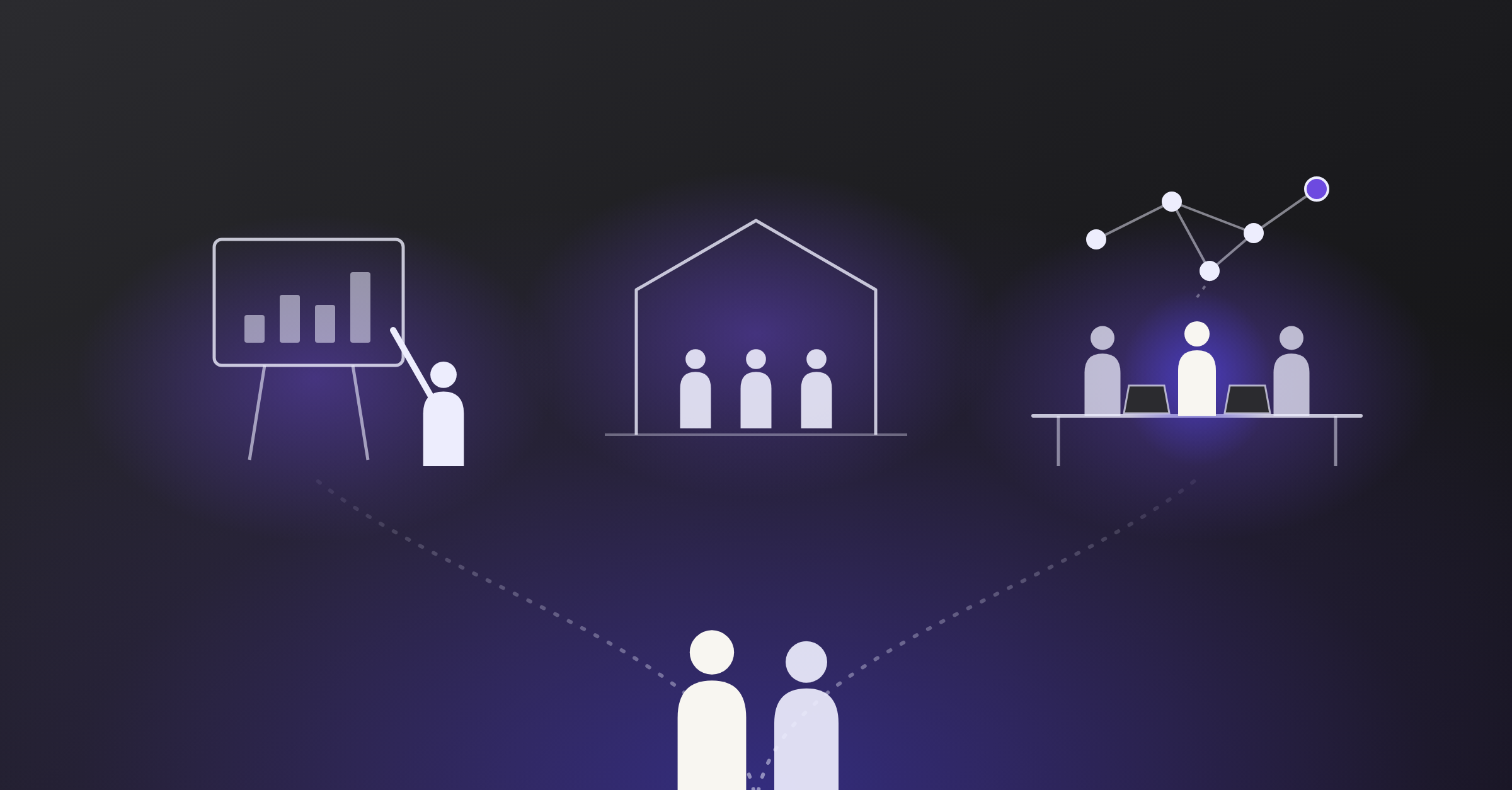
Yes. Many mid-market companies get the best result by pairing two options: a consultancy to decide and FDEs to build, or FDEs now and an in-house team later. Here is how each combination works:
- Consultancy to decide, FDEs to build. The consultancy ranks the processes; FDEs take the first one to a working prototype within two weeks.
- FDEs now, an internal team later. FDEs build the first processes and leave training materials behind. Your first hires join a system that already runs, with someone to learn from. Through FDE staffing, Cody's engineers can also work inside your team under your own lead.
Start with one process. Assign someone to own adoption. Decide on hiring once you know what the work looks like.
Let's Talk
If your first AI attempt stalled, we'll start with one process. Our forward-deployed engineers build a working prototype within two weeks at most, and the small first automation is free. Each process after that has a fixed price. We stand by each automation, but if you don't want to use it after implementation, we take it back and work on other process instead.
Schedule a call by clicking on “get in touch” by the title.